Montenegro Attractions 2026: Top Places, Map and Travel Routes
Montenegro may be compact on the map, but it offers an impressive variety of landscapes and experiences. In one trip, you can combine the Adriatic coast, dramatic mountain canyons, peaceful lakes, medieval towns, Orthodox monasteries and churches, scenic boat routes, and beautiful beaches.
The country remains visa-free for Russian citizens, the language in Montenegro is relatively easy for many visitors from the region to navigate, and the climate is mild for most of the year. That makes Montenegro a great choice both for a relaxed seaside holiday and for active day trips across the country.
View routes across Montenegro | Open the attractions map | Check tour prices
What to See on Your First Trip
If this is your first visit and you want the classic highlights, start with the Bay of Kotor, Kotor, Perast, the Tara and Moraca canyons, Ostrog Monastery, Lake Skadar, Lovcen, Durmitor, Black Lake, and the Montenegro coast.
Broadly speaking, Montenegro is easy to divide into two travel zones: the southern coast with resort towns and sea views, and the northern region with mountains, forests, canyons, and lakes. Because of that, it is simple to build an itinerary around your mood: old towns and the sea, mountain panoramas, monasteries, lake scenery, or a full sightseeing circuit.
Quick List: 33 Places Worth Visiting
- Bay of Kotor
- Kotor
- Perast
- Tara River Canyon
- Moraca River Canyon
- Our Lady of the Rocks Island
- Mamula Island
- Piva River Canyon
- Podgorica
- Blue Cave
- Church of St. Nicholas in Kotor
- Cetinje
- Cathedral of St. Tryphon in Kotor
- Church of St. Luke in Kotor
- Zabljak
- Ostrog Monastery
- Moraca Monastery
- Piva Monastery
- Cetinje Monastery
- Cathedral of the Resurrection of Christ in Podgorica
- Lovcen and Njegos Mausoleum
- Djurdjevic Bridge
- Lake Piva
- Lake Skadar
- Slansko Lake
- River Crnojevica
- Black Lake
- Njegusi
- Durmitor National Park
- Kolasin
- Montenegro Coast
- Virpazar
- Tivat
Montenegro Attractions on the Map
The map below marks the places featured in this guide. Some sights are easy to reach by taxi, rental car, or on foot, while others are more convenient as part of an organized day trip. The Blue Cave, for example, can only be reached from the sea.
How to Plan Your Route More Efficiently
- The coast and the Bay of Kotor are best combined with Kotor, Perast, island stops, and boat trips.
- The Tara, Moraca, and Piva canyons fit naturally into a northern Montenegro route.
- Ostrog, Moraca, Piva, and Cetinje monasteries are ideal for a pilgrimage or cultural itinerary.
- Lake Skadar, Lake Piva, Slansko Lake, and Black Lake are perfect for travelers who want nature, calm views, and less rush.
- To compare ready-made options, you can browse a selection of popular tours or read tips on choosing a tour organizer.
Comparing Travel Routes in Montenegro
| What You Want to See | Best Places for It | Best Way to Explore |
|---|---|---|
| Coastline, bays, and old towns | Bay of Kotor, Kotor, Perast, Tivat, Our Lady of the Rocks, Mamula Island, Blue Cave | Boat trip, sightseeing tour, Bay of Kotor route |
| Canyons and northern Montenegro | Tara Canyon, Moraca Canyon, Piva Canyon, Djurdjevic Bridge, Zabljak, Durmitor, Black Lake | Bus canyon tour, Grand Canyons route, rafting, zipline |
| Monasteries and sacred sites | Ostrog Monastery, Moraca Monastery, Piva Monastery, Cetinje Monastery, Cathedral of the Resurrection of Christ in Podgorica | Pilgrimage or cultural trip, Ostrog and Cetinje route, Ostrog and Podgorica route |
| Lakes and peaceful nature | Lake Skadar, Lake Piva, Slansko Lake, Black Lake, River Crnojevica | Walk, private route, morning or evening trip to Lake Skadar, fishing |
| Mountains, panoramas, and national parks | Lovcen, Njegusi, Durmitor, Kolasin, Bjelasica | Maxi Montenegro Tour, Grand Canyons, Jeep Safari |
33 Main Attractions in Montenegro
1. Bay of Kotor
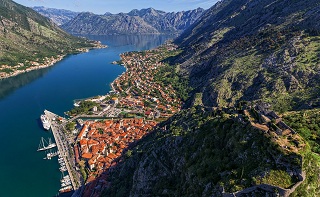
The Bay of Kotor is often described as the largest and most beautiful bay on the Adriatic. It includes several connected bays — Tivat, Kotor, Risan, and Herceg Novi — and is famous for its fjord-like scenery, waterfront towns, islands, and unforgettable viewpoints. Many travelers choose this area first when discovering Montenegro.
It is also one of the country’s most important historical and economic regions, with settlements dating back to the 3rd century BC. You can explore it on a Bay of Kotor route, an evening program, or a boat excursion.
Before booking, many travelers also check tourist reviews of the Bay of Kotor.
2. Kotor
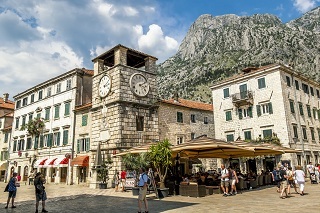
Kotor is compact, atmospheric, and easy to explore on foot. Its main treasure is the Old Town with fortified walls, narrow stone lanes, churches, squares, and panoramic viewpoints above the city. In August, Kotor also hosts a popular summer festival that attracts thousands of visitors.
3. Perast
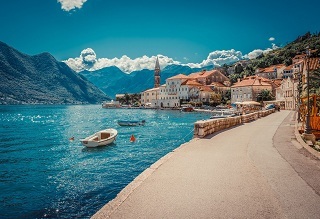
Perast is one of the most romantic coastal towns in Montenegro. It is known for its churches, palaces, noble family houses, and elegant waterfront. From the bell tower of St. Nicholas Church, you get one of the best views over the town and the bay.
Visitors also come here for oyster farms and views of St. George Island. Perast is often included in the Heart of Montenegro program, and it is useful to read reviews and tips before choosing.
4. Tara River Canyon
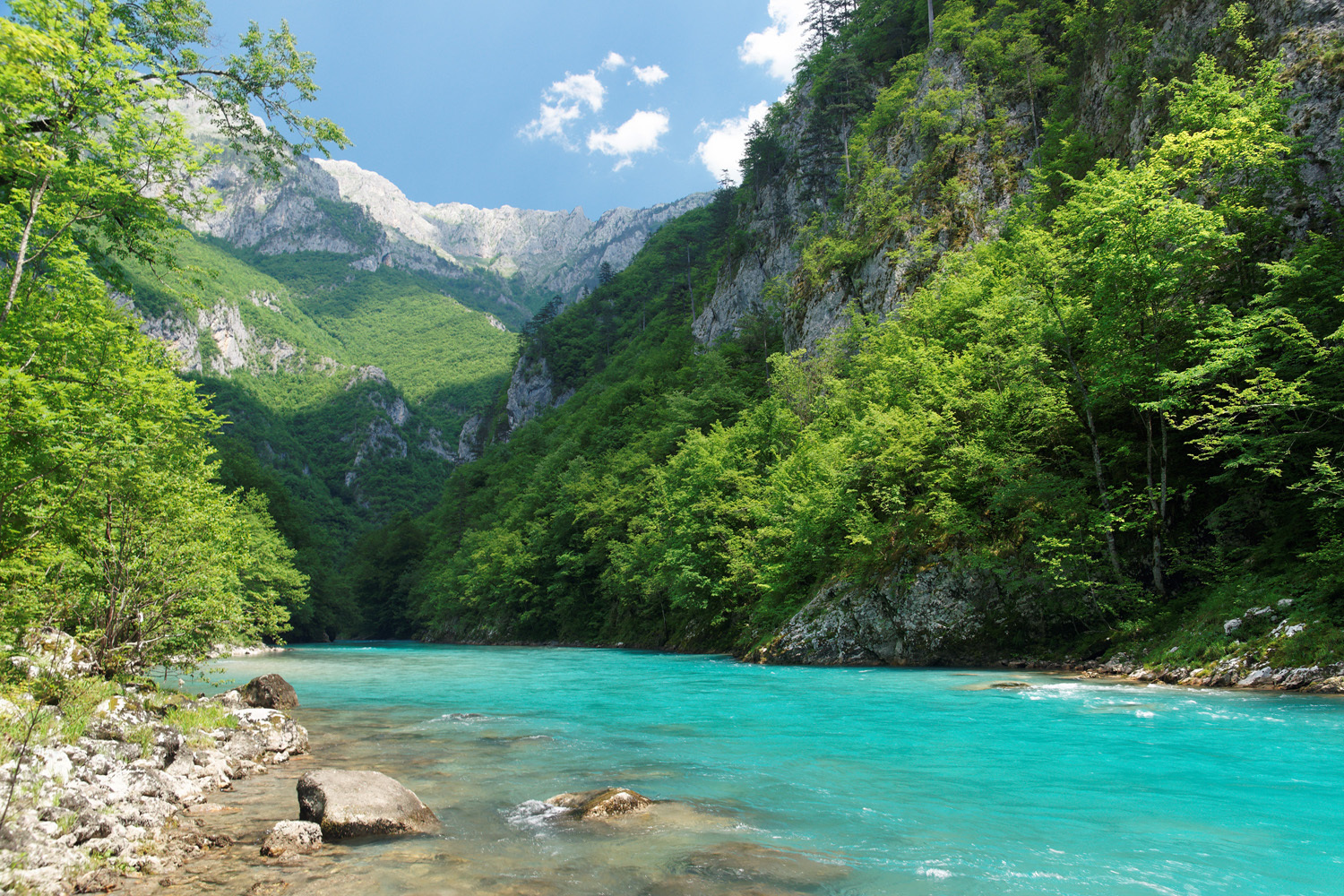
The Tara Canyon is one of Montenegro’s most spectacular natural landmarks. According to the source material, its depth reaches 1,300 meters. Travelers come here for dramatic scenery, fresh mountain air, rafting, and northern Montenegro road trips.
It is commonly visited on the Canyons route, and you can compare impressions in the trip reviews.
5. Moraca River Canyon
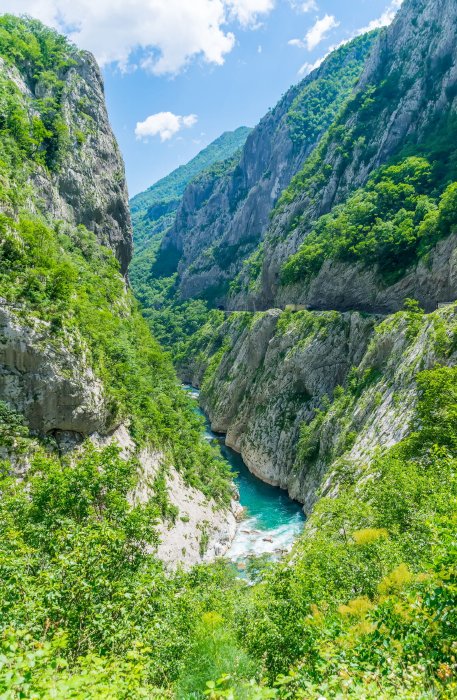
Steep rock walls, narrow roads, and dramatic mountain views make the Moraca Canyon one of the most memorable stops in the north. In some sections, the gorge closes in so tightly that the sky seems to disappear. It is often visited together with Tara Canyon; you can find more details about the route.
6. Our Lady of the Rocks
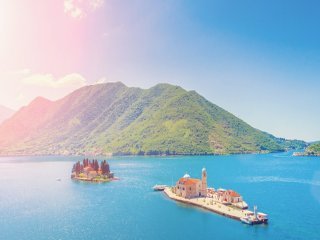
This tiny island is famous for its man-made origin. It was gradually formed over about 200 years by sinking old ships and adding rocks. In the 17th century, a church was built here in honor of an icon reportedly found by sailors on the reef.
7. Mamula Island
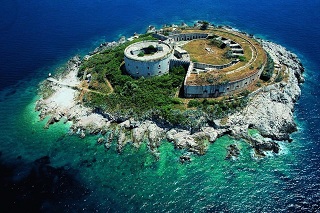
Mamula, also known as Lastavica, is best known for its 19th-century fortress built by General Lazar Mamula. The fort remains one of the most recognizable landmarks on sea routes around the bay.
8. Piva River Canyon
The Piva Canyon is a must for travelers who want to see Montenegro’s mountains at their most powerful. The rocky formations stretch for more than 30 km, and the depth reaches around 1,200 meters. This area is often combined with rafting and northern scenic drives.
9. Podgorica
Podgorica, the capital of Montenegro, has a long history even though it became the country’s capital relatively recently. Visitors can see the cathedral, the monument to Vladimir Vysotsky, and several modern and historical landmarks. The city is also combined with nearby religious routes.
10. Blue Cave
The Blue Cave lies near Mamula Island on the Lustica Peninsula, not far from Herceg Novi. On sunny days, the light turns the water and cave walls a vivid blue. Excursion boats enter the grotto, and swimming is usually possible. Access is only by sea.
11. Church of St. Nicholas in Kotor
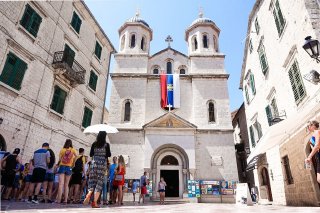
This is the only church in Kotor where services are held every day, twice daily. Built in the early 20th century on the site of an older church destroyed by fire, it is especially noted for its Byzantine style and iconostasis about 3 meters high.
12. Cetinje
Cetinje is known as the historical and cultural capital of Montenegro. The town is rich in old architecture, museums, monuments, and cultural events. It is also home to the famous Cetinje Monastery.
13. Cathedral of St. Tryphon in Kotor
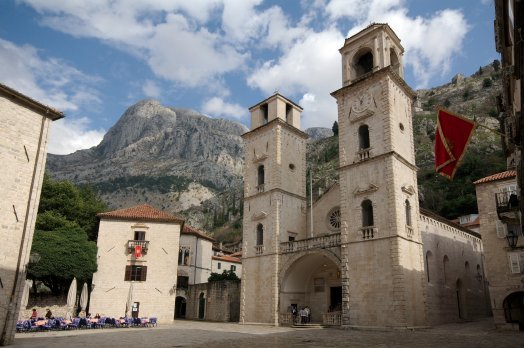
Built in the 12th century, St. Tryphon’s Cathedral is Kotor’s main Catholic cathedral. It has been damaged by earthquakes more than once, yet carefully restored. Nearby are relics of St. Tryphon and other important historical details tied to the city’s past.
14. Church of St. Luke in Kotor
The Church of St. Luke dates back to the 12th century. Originally Catholic, it later also served Orthodox believers during Ottoman times, which is why the church became known for having two altars.
15. Zabljak
Zabljak is one of the main mountain destinations in northern Montenegro. In winter it attracts skiers, while in summer it becomes a base for hiking, lake visits, and scenic drives through Durmitor.
16. Ostrog Monastery
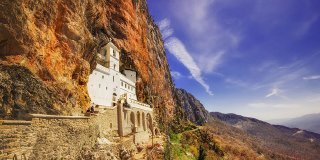
Ostrog is one of the most famous monasteries in Montenegro and one of the country’s main pilgrimage sites. Built into the rock high in the mountains, it consists of upper and lower sections connected by a narrow road and mountain path. Visitors come here independently and as part of organized religious tours.
17. Moraca Monastery
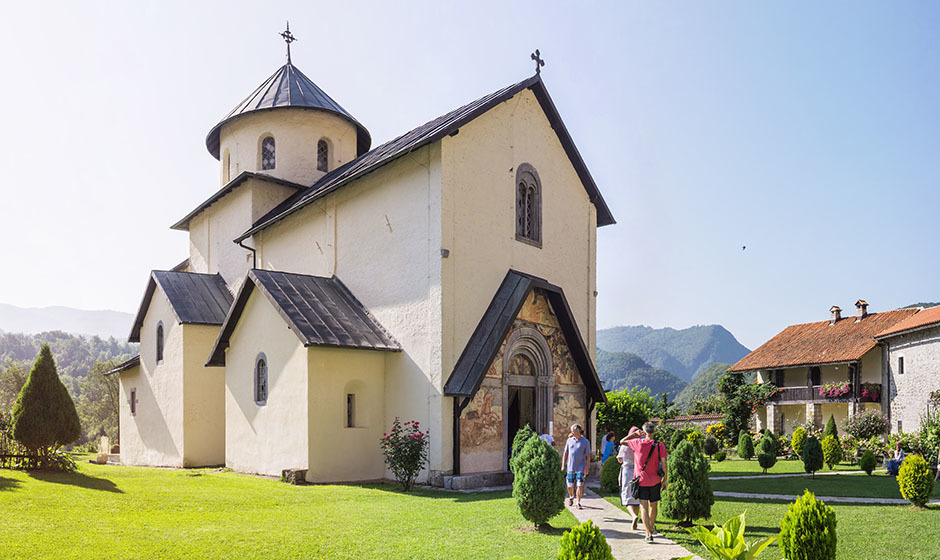
Founded in the 13th century, Moraca Monastery is a medieval Orthodox complex that was later destroyed and rebuilt. Today it includes the Church of St. Nicholas, the Dormition Cathedral, monastic cells, and visitor facilities.
18. Piva Monastery
Piva Monastery was built in the 16th century and is famous for having been relocated to save it during the construction of a hydroelectric power station. The complex is known for its old frescoes and healing spring.
19. Cetinje Monastery
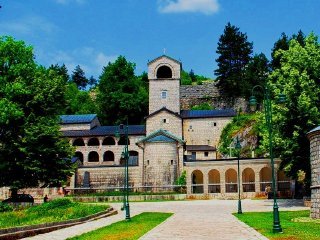
Originally founded in the 15th century, Cetinje Monastery was repeatedly destroyed and rebuilt. It houses important relics, including the remains of St. Peter of Cetinje and other revered Christian treasures.
20. Cathedral of the Resurrection of Christ in Podgorica
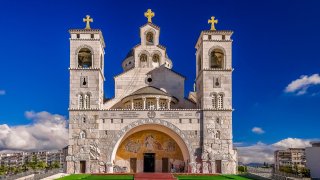
This cathedral stands in the capital and is the largest church in Montenegro. The foundation stone was laid in 1993, and the consecration took place in 2013. Visitors are especially impressed by the frescoes and monumental interior.
21. Lovcen and the Njegos Mausoleum
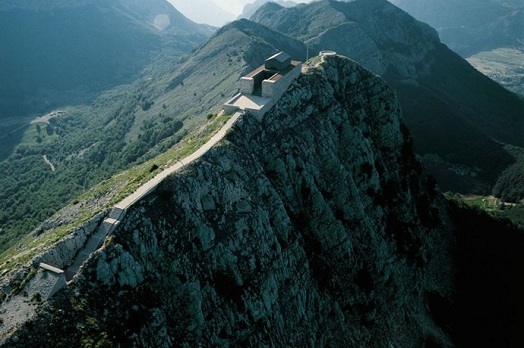
Mount Lovcen is home to the mausoleum of Petar II Petrovic-Njegos, one of Montenegro’s most important historical figures. From the viewpoint, you can see around 70% of the country’s territory as well as the village of Njegusi.
22. Djurdjevic Bridge
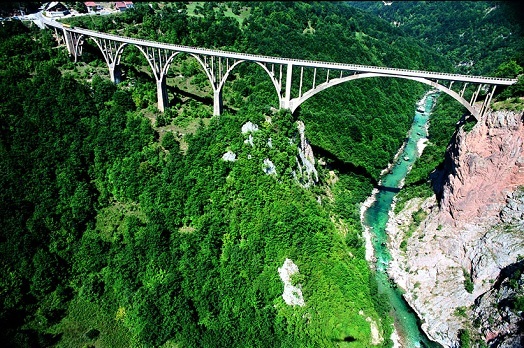
This elegant arch bridge is one of the symbols of northern Montenegro. Built in the first half of the 20th century, it is 365 meters long, with its largest span reaching 116 meters. Nearby, travelers often try the famous zipline over the Tara Canyon.
23. Lake Piva
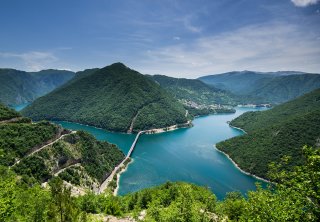
Lake Piva is a reservoir created during the construction of a hydroelectric station. The scenery here is striking, and in some places the depth reaches 200 meters. It is a good destination for quiet rest, scenic drives, and fishing.
24. Lake Skadar
Lake Skadar is the largest natural lake in the Balkans and is often called a bird paradise because of its rich birdlife. Travelers come here for nature, island monasteries, boat rides, and fishing.
25. Slansko Lake
Slansko Lake is one of Montenegro’s artificial lakes. It was formed in the mid-20th century during hydroelectric development. Despite its name, the water is not salty. It is suitable for walks and fishing.
26. River Crnojevica
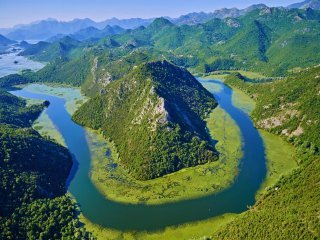
The River Crnojevica flows into Lake Skadar, so the two are often combined in one route. Although the river is short — no more than 13 km — it is famous for its photogenic bends and the iconic horseshoe-shaped panorama around a pyramid-like hill.
27. Black Lake

Marked on local maps as Crno Jezero, Black Lake actually consists of two glacial lakes of different size and depth. The water looks dark because of the surrounding conifer forest and dark vegetation on the bottom, yet it remains crystal clear.
28. Njegusi
Njegusi is a village at the foot of Lovcen and the birthplace of the Njegos dynasty. It is a great stop for traditional Montenegrin atmosphere, old stone architecture, local cheese, and the famous smoked ham known as prsut.
29. Durmitor National Park
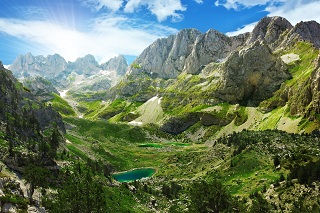
Durmitor is protected by UNESCO and includes mountain ridges, alpine meadows, lakes, and several canyons. This is one of the most scenic parts of northwestern Montenegro and a must for nature lovers.
30. Kolasin
Kolasin is one of Montenegro’s main active holiday resorts. In winter it is known for skiing and freestyle sports, while in summer it attracts visitors looking for mountain calm and access to nearby Bjelasica.
31. Montenegro Coast
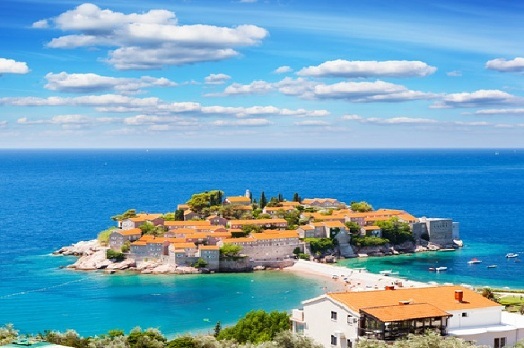
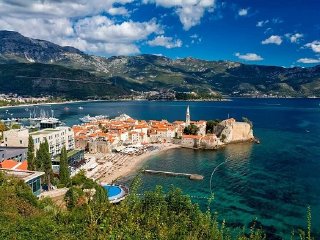
The Montenegrin coast includes several rivieras: Budva, Bar, Ulcinj, as well as the Kotor and Tivat coastal zones. Each area offers its own beaches, promenades, resorts, and viewpoints. If you want a softer, more relaxed itinerary, the coast is always a safe choice.
32. Virpazar
Once an important trading town, Virpazar is now a cozy settlement closely linked to fishing and tourism. It is one of the main gateways to Lake Skadar and a convenient starting point for boat trips.
33. Tivat
Tivat sits in the Bay of Kotor and has become increasingly popular for walks, dining, and easy sightseeing. Porto Montenegro, the marina with mega-yachts and upscale infrastructure, is one of its best-known landmarks, but the town also offers a pleasant waterfront, green areas, and a relaxed atmosphere.
Routes from Montenegro Resorts
These attractions can be visited from different resorts across the country. The source material specifically mentions departures from Budva, Becici, Kotor, Tivat, and Petrovac, with separate pages for schedules and prices from Budva.
Prices, Discounts, and Conditions
We always tell travelers honestly that tour prices in Montenegro are justified by the number of places covered, the transport, and the overall convenience. One example from the source is the “Canyons” trip from Budva: the price is 60 euros per person, and it includes visits to 9 attractions from this list.
There are also discounts of up to 17%, сопровождение русского гида, and travel by comfortable bus. In addition to domestic routes, there are tours from Montenegro to neighboring countries as well.
Reviews That Help You Choose
Popular excursions have separate review pages, which are useful if you want to compare real traveler impressions before booking. This is especially helpful when choosing between coastal routes, canyon tours, monastery visits, and lake programs.
Frequently Asked Questions
What should I see first in Montenegro?
For a first trip, the best starting points are the Bay of Kotor, Kotor, Perast, Tara and Moraca canyons, Ostrog Monastery, Lake Skadar, Lovcen, Durmitor, and the coast.
Which places are easier to visit on an organized tour?
Canyons, Durmitor, Ostrog, Lake Skadar, the Bay of Kotor, and sea routes are usually more convenient with a ready-made program, especially if you want to combine several sights in one day.
How much does the “Canyons” trip from Budva cost?
The price is 60 euros per adult departing from Budva. It includes visits to 9 attractions.
Which monasteries should I visit in Montenegro?
The main ones are Ostrog, Moraca, Piva, and Cetinje monasteries. Kotor’s churches and the Cathedral of the Resurrection of Christ in Podgorica are also worth seeing.
Which lakes are must-see in Montenegro?
We recommend Lake Skadar, Lake Piva, Slansko Lake, and Black Lake. Lake Skadar is especially notable as the largest natural lake in the Balkans.
From which resorts do excursions depart?
Departures are available from Budva, Becici, Kotor, Tivat, and Petrovac. Budva also has separate pages with prices and schedules.
How do I get to the Blue Cave?
The Blue Cave is located near the Lustica Peninsula, close to Mamula Island and the Herceg Novi area. It can only be reached from the sea.
Final Thoughts
Montenegro is one of those rare destinations where a single holiday can include the sea, mountains, monasteries, old towns, canyons, and lakes. For a classic first-time itinerary, choose the Bay of Kotor, Kotor, Perast, Ostrog, Lake Skadar, Lovcen, Durmitor, and the northern canyons. For a calmer program, focus on the coast, Perast, Tivat, Virpazar, and the lakes.
These are not all the attractions in Montenegro, but they are the essential ones. We wish you to see as much as possible during your holiday — because travel is one of the few things that truly makes a person richer.
View the tour catalog | Open prices | How to choose an organizer
Expert Guide and Commercial Travel Overview
How to choose, where to book, and what to check before reserving excursions in Montenegro.
- Author: OLIMPUS.me editorial team
- Verified by: local excursion specialist at OLIMPUS.me
- Updated: June 1, 2026
- Topics: Montenegro attractions, Bay of Kotor, Kotor, Perast, Tara, Moraca and Piva canyons, Montenegro monasteries, Ostrog, Lake Skadar, Durmitor, Lovcen, Montenegro coast, Tivat, Podgorica, Cetinje, Zabljak, Kolasin, routes from Budva, Becici, Kotor, Tivat and Petrovac, prices, discounts, tourist reviews, and the attractions map.
